Recommended Services


Supported Scripts
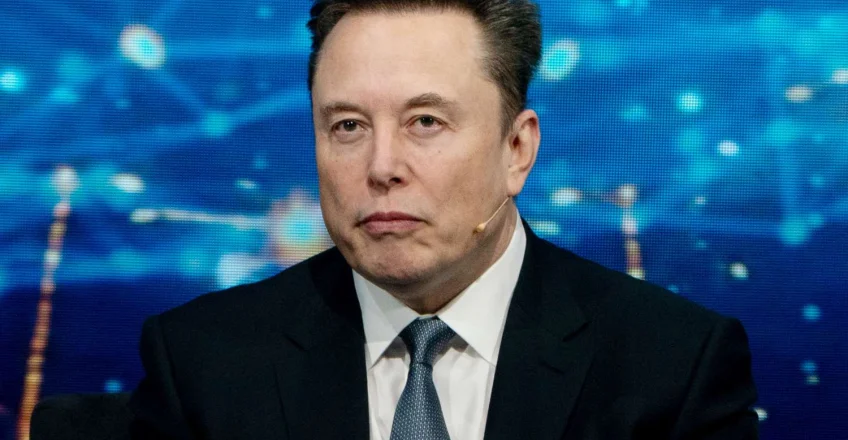

Musk wealth record headlines have dominated global business coverage after SpaceX’s historic public debut pushed Elon Musk’s estimated fortune above $1 trillion.
The SpaceX listing was one of the biggest market events in modern finance. The company priced its shares at $135, opened around $150 and drew enough demand to push its valuation beyond $2 trillion during trading.
Forbes declared Musk the world’s first trillionaire after the value of his SpaceX stake surged following the Nasdaq debut. The milestone places Musk in a category no individual had previously reached in public wealth rankings.
But this is not only a story about personal wealth. It is also a story about investor appetite, technology ambition and the rising value of future infrastructure.
SpaceX is being valued as more than a rocket company. Investors are treating it as a platform for satellite broadband, launch services, government contracts, space systems and long-term communications infrastructure.
That makes the IPO both historic and risky.
Quick Facts About the Musk Wealth Record
| Category | Detail |
|---|---|
| Person | Elon Musk |
| Milestone | First publicly recognised trillionaire |
| Main trigger | SpaceX IPO |
| Exchange | Nasdaq |
| IPO price | $135 per share |
| Opening price | Around $150 per share |
| Capital raised | About $75 billion |
| SpaceX valuation | Above $2 trillion during trading |
| Key business driver | SpaceX ownership stake |
| Main growth engine | Starlink and space infrastructure |
Why SpaceX Changed the Wealth Rankings
SpaceX changed the wealth rankings because it gave public markets a live valuation for one of Musk’s biggest assets.
Before the IPO, SpaceX was already one of the most valuable private companies in the world. However, private valuations are less visible because they depend on funding rounds, investor estimates and limited share sales.
The Nasdaq debut changed that.
Once SpaceX shares began trading publicly, investors placed a market value on the company. Since Musk owns a large stake, that valuation immediately affected his estimated fortune.
This is how Musk crossed the $1 trillion threshold.
His wealth is not mainly cash. It is tied to shares, options and company stakes. That means the figure can move up or down depending on market prices.
Still, the milestone is historic because it shows how much value public markets are willing to attach to founder-led technology companies.
Why Investors Rushed Into SpaceX
Investors rushed into SpaceX because the company offers exposure to several powerful growth themes at once.
It has reusable rockets. It has Starlink. It has government and commercial space contracts. It has a long-term role in satellite communications and space-based infrastructure.
That combination gives SpaceX a rare market position.
Many companies have one main growth story. SpaceX has several connected stories. It can build satellites, launch them, operate a global network and sell services to consumers, businesses and governments.
This makes the company difficult to value using old aerospace models.
Investors are not only buying current revenue. They are buying the possibility that SpaceX could become one of the most important infrastructure companies of the next generation.
Starlink Remains the Key Growth Story
Starlink is central to the SpaceX valuation.
Rocket launches made SpaceX famous, but satellite internet gives the company a recurring-revenue business. That matters because public investors often place high value on businesses with repeat customers and global expansion potential.
Starlink can serve homes, aircraft, ships, companies, remote communities and government users.
It also benefits from SpaceX’s launch advantage. Because SpaceX can launch its own satellites, it can expand the network faster and potentially control costs better than rivals that depend on external launch providers.
If Starlink grows strongly, it could support a large part of SpaceX’s valuation.
If growth slows, investors may question whether the company’s market value is too high.
Why the IPO Is a Turning Point for SpaceX
The IPO gives SpaceX access to deeper capital markets.
That capital can support satellite expansion, rocket development, research, infrastructure and long-term projects that require huge investment.
But going public also changes the company’s life.
SpaceX will now face more scrutiny from analysts, shareholders and regulators. Investors will want clearer details on revenue, margins, costs, contracts and long-term profitability.
That is a big shift.
As a private company, SpaceX could pursue long-term projects with less pressure from public markets. As a listed company, it must now balance ambition with accountability.
This may become one of the biggest tests in the company’s history.
Why the $2 Trillion Valuation Raises Questions
A valuation above $2 trillion is impressive, but it also creates pressure.
At that level, investors expect SpaceX to deliver exceptional growth for many years. The company must prove that Starlink, launch services and future space infrastructure can support the market’s confidence.
That will not be easy.
Space businesses are expensive. Rockets, satellites, ground systems, engineers and research programmes require heavy spending. Delays, technical problems or regulatory challenges can affect performance.
There is also competition.
Governments and private companies are investing more in satellites, launch systems and communications networks. SpaceX is a leader, but leadership must be defended.
That is why the IPO success is only the beginning.
What This Means for Tesla
Tesla remains a major part of Musk’s fortune, but SpaceX has now become a second public-market pillar of his wealth.
For years, Tesla was the main listed company tied to Musk’s financial rise. Investors who wanted exposure to his business vision often focused on Tesla.
Now SpaceX gives markets another route.
Some investors may see SpaceX as the stronger long-term infrastructure story. Others may still prefer Tesla’s electric vehicles, batteries, software and robotics potential.
This could create a new balance inside Musk’s empire.
It also increases scrutiny of his leadership. Investors will watch whether Musk can manage expectations across several major companies at once.
The Leadership Risk Investors Must Watch
Musk is one of SpaceX’s biggest strengths, but he is also one of its biggest risks.
His supporters say he has repeatedly built companies that changed difficult industries. Tesla reshaped electric vehicles. SpaceX changed rocket launches. Starlink expanded satellite broadband.
Critics argue that his public profile, management style and many commitments create uncertainty.
Musk is linked to SpaceX, Tesla, X, xAI, Neuralink and other ventures. Each company demands attention. Public investors may worry about whether he can focus enough on each business.
Now that SpaceX is public, those concerns will be watched more closely.
The market has rewarded Musk’s vision. It will now judge execution.
Why the First Trillionaire Milestone Matters
The first trillionaire milestone matters because it shows how wealth creation has changed.
In earlier periods, the largest fortunes came from oil, steel, railways, banking, retail and real estate. Today, the biggest wealth stories are increasingly tied to technology platforms, networks, data, artificial intelligence, electric vehicles and space infrastructure.
Musk’s rise reflects that shift.
His fortune is built on markets that investors believe may define the future. Tesla is tied to electric mobility and automation. SpaceX is tied to satellites, space access and communications infrastructure.
This makes the milestone symbolic.
It shows that the next era of wealth may be built around control of future systems.
The Inequality Debate Will Intensify
Musk becoming a trillionaire will also deepen debate about inequality.
Supporters will argue that his wealth reflects innovation, risk-taking and successful company building. They will point to reusable rockets, electric cars, satellite internet and ambitious technology projects.
Critics will argue that no individual should hold such concentrated economic power.
The debate will be especially intense because SpaceX operates in strategic sectors. Satellite internet, launch services and space infrastructure affect communications, defence, science and national security.
That means Musk’s wealth is not only a private financial story.
It is also a public debate about who controls important parts of the future economy.
What Investors Should Watch Next
Investors should watch SpaceX’s performance after the IPO excitement fades.
The key areas include Starlink growth, launch frequency, profitability, government contracts, capital spending and major project timelines.
Investors should also watch how transparent SpaceX becomes as a public company.
A record IPO can create excitement, but long-term value depends on execution.
The company must now prove that its growth can match the price investors have paid.
Key Takeaways
- Elon Musk has become the first publicly recognised trillionaire.
- SpaceX’s Nasdaq debut pushed his estimated wealth above $1 trillion.
- SpaceX priced its IPO at $135 per share.
- The stock opened around $150 during its debut.
- The IPO raised about $75 billion.
- SpaceX traded at a valuation above $2 trillion.
- Musk’s wealth is mostly tied to shares and options, not cash.
- Starlink is central to SpaceX’s long-term growth story.
- The IPO gives SpaceX more capital but also more public-market scrutiny.
- The valuation creates major pressure for SpaceX to deliver strong results.
- Musk’s milestone raises questions about innovation, inequality and market power.
- The next test is whether SpaceX can justify its historic valuation.
Frequently Asked Questions
Why did Elon Musk become the world’s first trillionaire?
Elon Musk became the world’s first trillionaire after SpaceX’s IPO lifted the value of his ownership stake and pushed his estimated net worth above $1 trillion.
What was the SpaceX IPO price?
SpaceX priced its IPO at $135 per share.
What did SpaceX shares open at?
SpaceX shares opened around $150 per share.
How much did SpaceX raise?
SpaceX raised about $75 billion through the IPO.
What is SpaceX valued at?
SpaceX traded at a valuation above $2 trillion during its market debut.
Is Musk’s $1 trillion fortune cash?
No. Most of Musk’s fortune is paper wealth tied to shares, stock options and company stakes.
Can Musk lose trillionaire status?
Yes. If SpaceX or Tesla shares decline sharply, Musk’s estimated net worth could fall below $1 trillion.
Why is Starlink important to SpaceX?
Starlink is important because it gives SpaceX a recurring satellite internet business with global growth potential.
Why is the SpaceX valuation risky?
The valuation is risky because SpaceX must deliver very strong long-term growth to justify a market value above $2 trillion.
What should investors watch after the IPO?
Investors should watch Starlink growth, launch performance, profitability, capital spending, government contracts and public-market reporting.
Conclusion
The Musk wealth record is now one of the biggest financial stories of the decade.
SpaceX’s historic IPO pushed Elon Musk above $1 trillion, created the first publicly recognised trillionaire and turned the company into one of the most valuable public-market names in the world.
The milestone reflects investor belief in rockets, satellites, Starlink and the future of space infrastructure. It also highlights the power of founder ownership in modern technology markets.
But the celebration comes with responsibility.
SpaceX must now justify its valuation. Musk must manage greater scrutiny. Investors must decide whether the company’s future is strong enough to support the price.
The first trillionaire has arrived, but the next chapter will depend on whether SpaceX can turn market excitement into lasting performance.
Share this Post