
Recommended Services


Supported Scripts
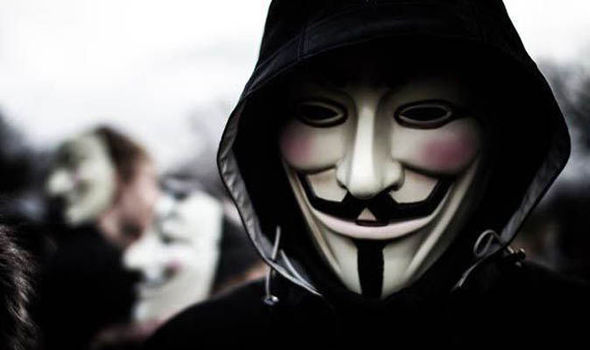

Cybercrime and hacking have become some of the biggest threats to internet security today. As the biggest hacking scandals continue to unfold, it’s clear that no company, large or small, is immune to these risks. Hacking is now one of the most effective ways to access valuable information or cause widespread damage, with hackers often targeting data-rich organizations.
The rise in cyberattacks has highlighted the need for stronger digital protection. As these biggest hacking scandals show, businesses and individuals must be more vigilant about securing their information. Here are some of the most devastating hacking incidents in recent history.
1 & 2. Yahoo’s Major Data Breaches
Yahoo takes the top spots for the biggest hacking scandals in history. In 2016, Yahoo announced that 500 million user accounts were breached in 2014, allegedly by a state-sponsored actor. A few months later, Yahoo revealed that another breach in 2013 had exposed 1 billion accounts, marking the largest hack on record. Both breaches compromised sensitive data, including email addresses, passwords, and security questions. Fortunately, financial information was not stolen.
3. Myspace Hack
Myspace, though less talked about today, faced a massive hack in 2013, compromising 360 million accounts. Usernames, email addresses, and passwords were all stolen. The exact date of the breach remains unclear, as hackers often lurk undetected in systems for extended periods. Despite its massive scale, the breach didn’t get as much media attention as others, primarily because Myspace’s relevance had already waned.
4. eBay Data Breach
In 2014, eBay experienced a hack that affected 145 million accounts. The hackers gained access through employee login credentials, enabling them to infiltrate the company’s corporate network. Stolen data included email addresses, mailing addresses, and birth dates, though no financial information was taken. Despite the breach’s scale, eBay managed to recover without financial losses for its users.
5. LinkedIn Hack
LinkedIn’s 2012 hack involved the theft of 117 million email addresses and passwords. What made this breach particularly infamous was that the hacker, known as “Peace,” sold the stolen data in 2016. The breach was 100 million accounts larger than originally reported, sparking concerns about the platform’s security and the safety of its users’ personal information.
6. Target Credit Card Theft
In 2013, the Target data breach affected 110 million individuals, stealing credit and debit card information, including customer names, card numbers, and PINs. Target had to pay out $10 million to the victims, compensating those who could prove misuse of their card data. The breach remains one of the most destructive hacks, causing lasting damage to Target’s reputation and finances.
7. AOL Employee Hacking Incident
In 2003, an AOL employee stole a list of 92 million customer email addresses and screen names. He sold this information for $28,000, which was then circulated by spammers. AOL incurred $400,000 in losses, plus the long-term damage of losing customer trust. The employee was caught, sentenced to 15 months in prison, and fined heavily.
8. Ashley Madison Hack
The Ashley Madison hack remains one of the most notorious breaches due to its impact on privacy. The site, which catered to married people seeking extramarital affairs, saw the theft of 32 million users’ personal information. The stolen data was published online, revealing names, addresses, phone numbers, and user transaction histories. Although no financial damage was done, the breach severely compromised users’ privacy.
These biggest hacking scandals have not only affected millions of individuals and companies but have also sparked widespread concerns about the safety of digital information. As hacking becomes more prevalent, businesses and individuals must prioritize cybersecurity measures.
Read Also
Cloudflare Leak Lessons: What We Can Learn
Iceland’s Safest Data Centre for Cloud Hosting
How SSL Can Boost Your Website’s Security
The biggest hacking scandals of all time highlight the growing risks of cybercrime. As technology evolves, so do the methods hackers use, making it essential for businesses and individuals to secure their data. By learning from these breaches, we can better protect ourselves and our digital assets.
Share this Post

Common Web Hosting Problems and How to Avoid Them
Bizmart HostHow to Choose the Right Web Hosting Company
Bizmart Host